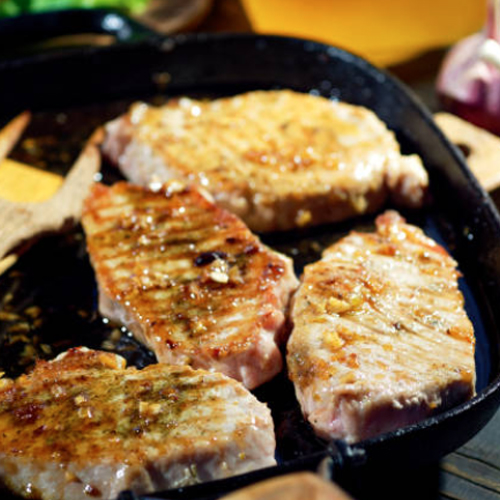
Pork shoulder turns tender in the pressure cooker, but tenderness alone isn’t carnitas. The crisp edges come afterward: reduce the orange-and-lime cooking liquid, toss just enough of it with the pulled pork, then broil the meat in a thin layer. You get browned tips without drying out every bite.
Serves: 6 to 8
Prep time: 20 minutes
Cook time: About 1 hour 25 minutes, including time to build and release pressure
Ingredients
For the pork
- 3 pounds boneless pork shoulder (Boston butt), cut into roughly 2-inch pieces
- 2 teaspoons Diamond Crystal kosher salt, or 1 teaspoon Morton kosher salt
- 1 teaspoon ground cumin
- 1 teaspoon dried Mexican oregano
- ½ teaspoon freshly ground black pepper
- 1 tablespoon neutral oil, such as canola oil
- 1 medium yellow onion, cut into thick wedges
- 4 garlic cloves, lightly smashed
- 1 cup orange juice
- ¼ cup freshly squeezed lime juice
- ¼ cup water
- 2 bay leaves
For finishing and serving
- 1 tablespoon freshly squeezed lime juice
- 12 small corn tortillas
- ½ cup finely diced white onion
- ½ cup chopped cilantro
- 1 lime, cut into wedges
Method
-
Season the pork. Pat the shoulder dry and toss it with the salt, cumin, oregano, and pepper. Leave the fat that runs through the meat in place; it helps keep the pulled pork rich and gives the edges something to brown. Trim only any especially thick, hard exterior fat. Keep the raw pork and its cutting board away from the tortillas and toppings, and wash your hands and utensils after handling it.
-
Brown in batches. Set a 6-quart electric pressure cooker to Sauté on high. Add the oil, then brown the pork in two or three batches, about 2 minutes per side, until it has golden patches. Transfer each batch to a plate. Don’t pack the pieces tightly into the pot: crowded pork steams instead of browning. It needn’t cook through at this stage.
-
Build the cooking liquid. Add the yellow onion and garlic to the pot and stir for about 1 minute, until fragrant. Pour in the orange juice, ¼ cup lime juice, and water. Scrape the bottom thoroughly with a wooden spoon so no browned bits remain stuck; this helps prevent a burn warning. Return the pork and any juices to the pot, and add the bay leaves. The liquid does not need to cover the meat.
-
Pressure-cook until pull-apart tender. Lock the lid, set the valve to Sealing, and cook on high pressure for 30 minutes. Allow 15 minutes of natural pressure release, then carefully vent any remaining pressure according to your cooker’s instructions. Lift out the pork and discard the bay leaves. A fork should pull a piece apart without much resistance. If it still feels firm, pressure-cook for another 5 minutes and release the pressure as directed. For food safety, whole cuts of pork must reach at least 145°F followed by a three-minute rest; carnitas shoulder is cooked well beyond that minimum for shreddable texture.
-
Reduce the juices and pull the pork. Turn Sauté back on and simmer the liquid, uncovered, for 8 to 12 minutes, until it tastes concentrated and has reduced to roughly ¾ to 1 cup. Skim off excess fat if there’s a thick layer. Meanwhile, use two forks to pull the pork into bite-size pieces, leaving some larger chunks rather than making fine shreds. Remove the onion and garlic pieces from the reduced liquid if you want a cleaner finish.
-
Broil for crisp edges. Position an oven rack about 6 inches below the broiler and preheat the broiler. Spread the pork across a foil-lined, broiler-safe 18-by-13-inch rimmed baking sheet. Drizzle with about ⅓ cup of the reduced liquid and toss lightly; the pork should be coated, not sitting in a pool. Broil for 3 to 5 minutes, watching closely, until exposed edges are deep golden brown. Turn a few patches of meat and broil for 2 to 3 minutes more if you want more crisp spots. If your sheet is crowded, broil in batches rather than piling the meat up. Finish with the remaining tablespoon of lime juice. Using the cooking liquid before broiling follows the same pressure-cook-then-crisp approach used for pork shoulder carnitas.
-
Serve while the edges are crisp. Warm the tortillas in a dry skillet, about 20 to 30 seconds per side, until pliable. Fill with pork, white onion, and cilantro, and serve with the lime wedges. Offer the remaining reduced cooking liquid at the table for anyone who wants juicier meat; adding it to the whole tray will soften the browned edges.
Notes for making it work
Pork shoulder is the cut to buy here. Its connective tissue softens during pressure cooking, while its fat helps the pulled pieces brown under the broiler. Pork loin is much leaner and won’t give the same combination of tender meat and crisp edges. If you have bone-in shoulder, use enough to yield about 3 pounds of boneless meat, remove the bone before cutting, and keep the pieces roughly the same size.
Bottled orange juice can replace fresh if it’s unsweetened; taste the reduced liquid before using it, since sweetness varies. Regular dried oregano works in place of Mexican oregano, though its flavor is different. Corn tortillas vary by brand, so check the package if allergens or gluten are a concern. The pork itself contains no common major allergens as listed, but packaged spices and serving ingredients should also be checked.
To make the pork ahead, stop after pulling it. Refrigerate the meat and reduced liquid separately in shallow containers, then toss and broil only the portion you plan to serve. Refrigerate cooked pork within two hours and use it within three to four days, or freeze it for longer storage. Reheat leftovers to 165°F; a skillet with a spoonful of cooking liquid works well before a quick crisping pass.
For a different cut that benefits from slow, moist heat, see how a Dutch oven makes beef chuck tender. And if crisp oven-browned edges are what you’re after, oven-baked chicken thighs with lemon and potatoes are another way to put dry heat to work.